From the first profile to the last power-up — here's every part of the app, and how the pieces connect into one learning adventure.
Parents create a profile for each child: a name, an age-appropriate reading level (beginner, intermediate, or advanced), a preferred language, and a custom avatar your child designs themselves.
That profile quietly powers everything else — the vocabulary difficulty, the narration speed, the story themes, and the hero who appears on every page.
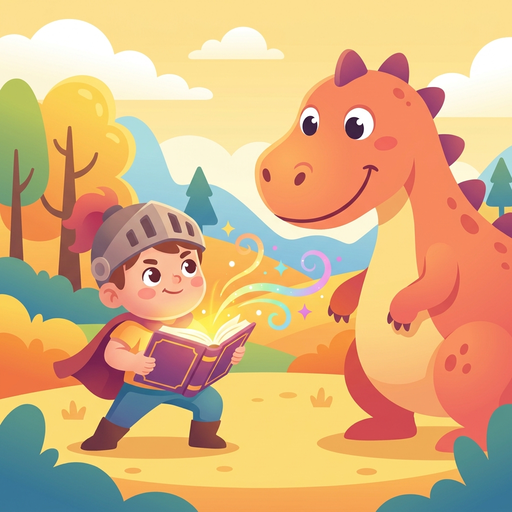
Pick a theme — dragons, space, the deep sea, ancient Egypt — and Story Voyagers generates an original, fully illustrated story starring your child's avatar, written at exactly their reading level.
Because the hero looks like them and the adventure matches their interests, kids don't just read the story. They belong to it. That feeling of identification is the heart of the whole app — and it's what most learning plans never offer.
The guided reader narrates every story aloud with word-by-word karaoke highlighting — your child sees exactly which word is being spoken, at a pace they control.
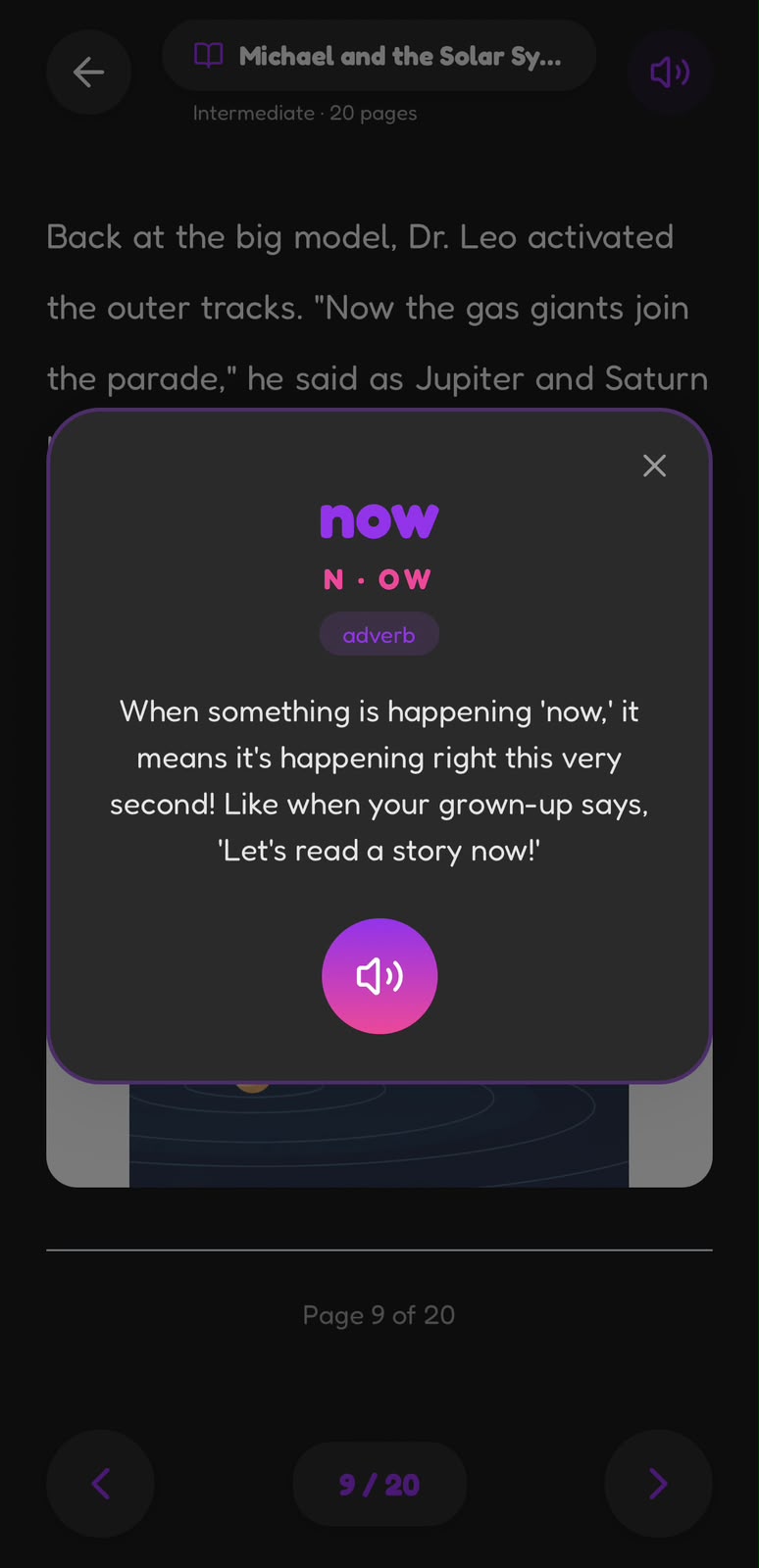
Tap any word and it opens as a friendly vocabulary card: syllables, pronunciation, and a kid-sized definition. Struggling readers get support without ever feeling singled out; confident readers can switch narration off and fly solo.
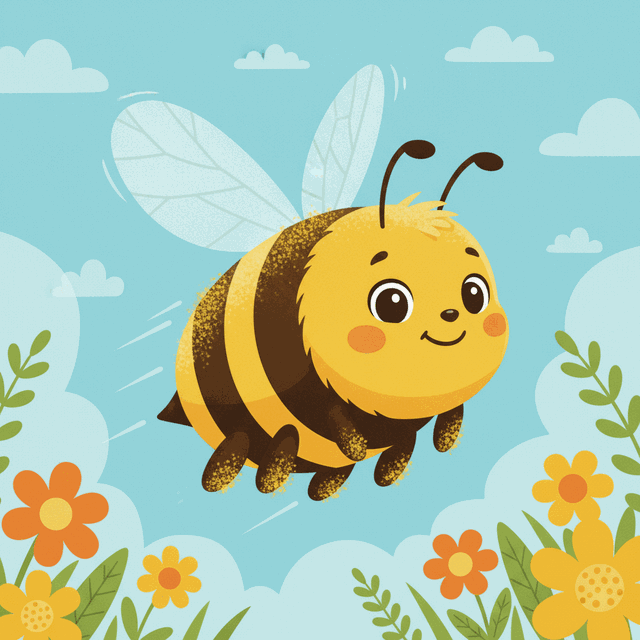
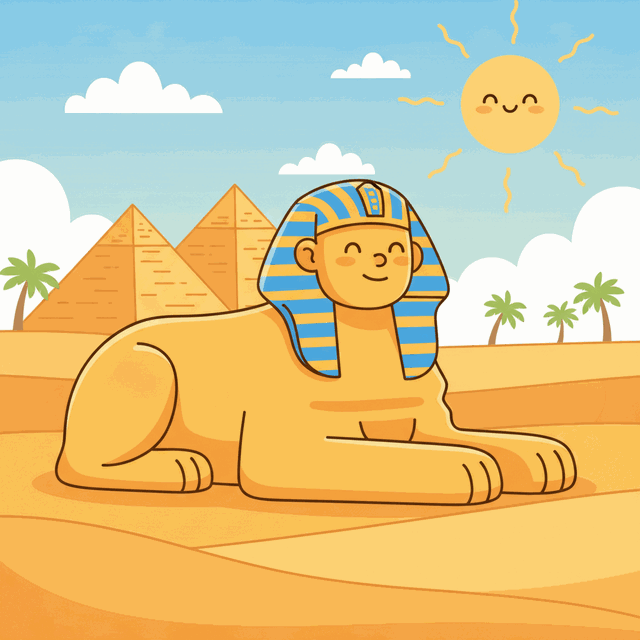
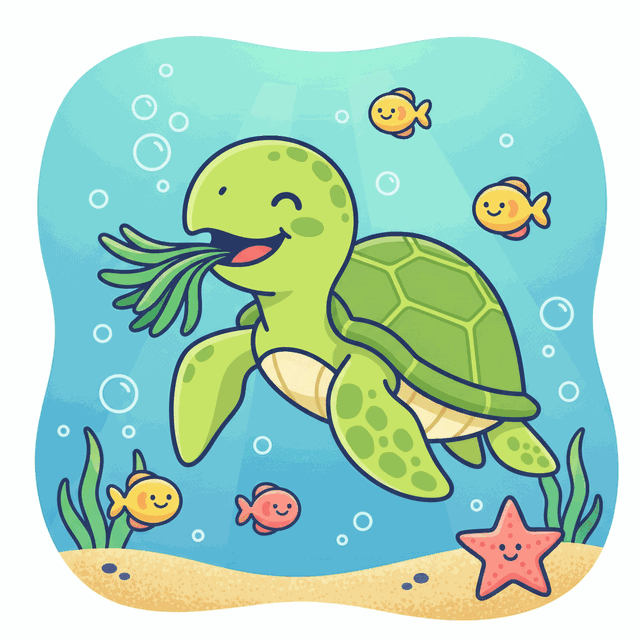
After the story, the adventure branches into the Learning Hub: illustrated topic cards on space, dinosaurs, the coral reef, the human brain, ancient Egypt, bees, volcanoes, and more — each drawn in the same warm style as the stories.
Gentle quizzes ask about what happened in the story and what new words mean. Getting it right feels like winning; getting it wrong just means another friendly try. No red X's, no grades.


👀 Hover over a card to peek at the real thing inside the app
Here's the trick that makes Story Voyagers different: in our games, power-ups aren't given — they're earned. Mid-game, your child gets a question from their stories, vocabulary, math, or logic. Answer correctly → get the shield, the speed boost, the extra life. Learning literally powers the play.
👀 Hover over any game to see what it builds in your child

Beating a boss means remembering the story. That's retrieval practice — the best-proven way to lock reading comprehension into long-term memory.

Fast choices keep attention fully engaged, and every power-up is earned with a question — so quick thinking and quick recall grow together.

Steering and timing build focus and hand-eye coordination, while question-earned boosts sneak vocabulary and math practice in at full speed.

Deciding what to do next builds executive function — and shields cost one correct answer, so knowledge literally keeps the adventure alive.

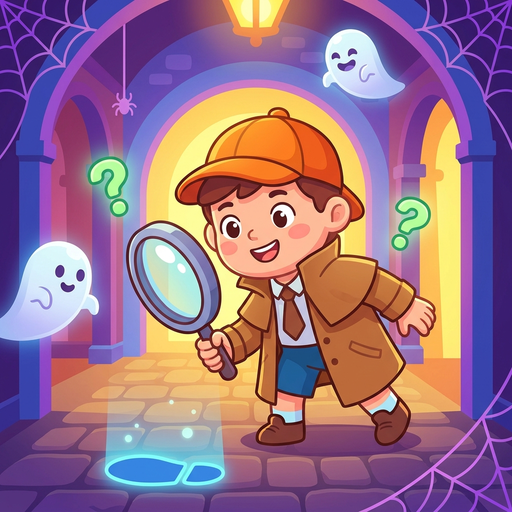
Following clues to a conclusion is inference — the exact skill kids use to understand what a story means, not just what it says.

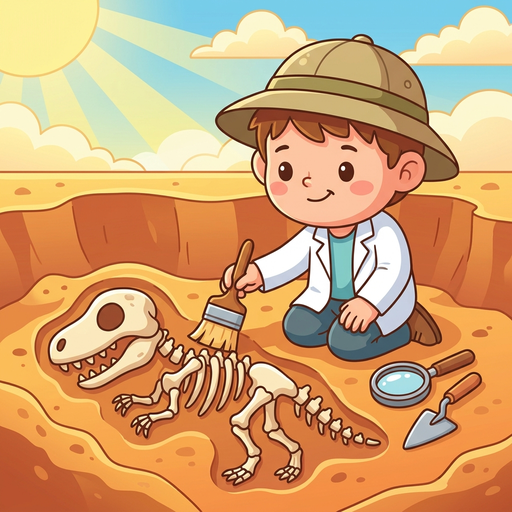
Careful digging rewards patience and observation, and every fossil introduces real science words kids remember because they discovered them.

Sudoku builds logic and pattern recognition — kids learn to test ideas, spot contradictions, and hold possibilities in working memory.

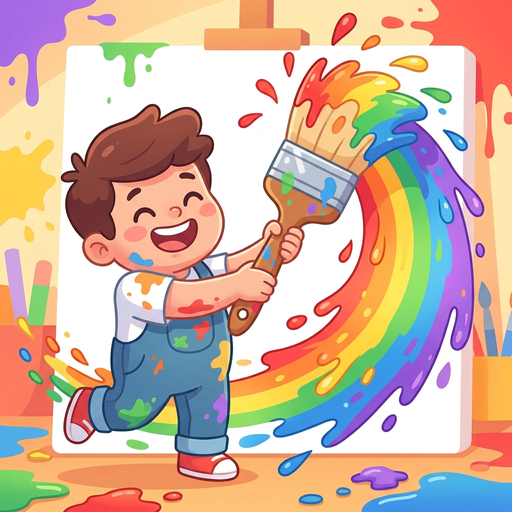
Drawing what words mean stores them twice — as pictures and as language. That dual coding makes new vocabulary far stickier.

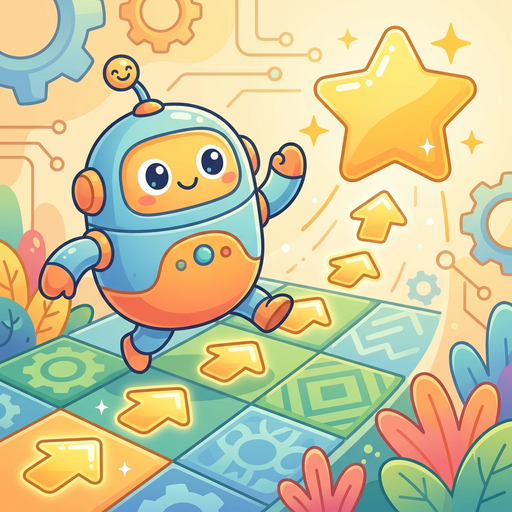
Giving the robot step-by-step commands teaches sequencing — the root of computational thinking and of breaking big problems into small ones.

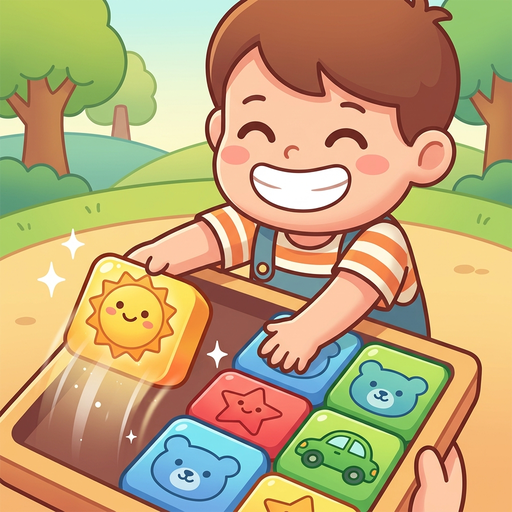
Fitting shapes together trains spatial reasoning — a skill strongly linked to later success in math, geometry, and science.

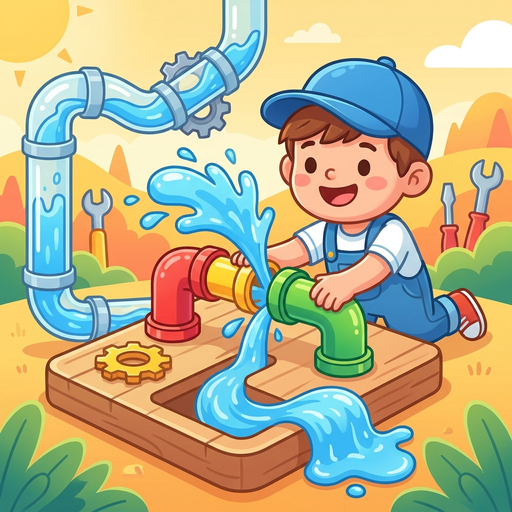
Planning the path before the water flows teaches cause, effect, and consequences — one connection at a time.

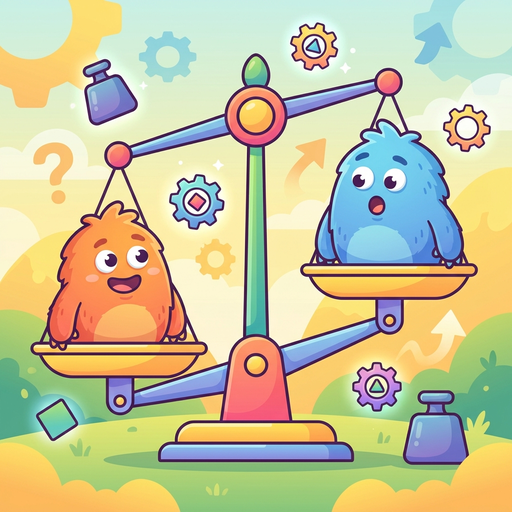
Balancing the scale makes numbers physical. Kids build an intuition for equality that makes equations feel obvious later on.

Changing one letter at a time tunes the sound-to-letter mapping at the heart of phonics, spelling, and confident decoding.

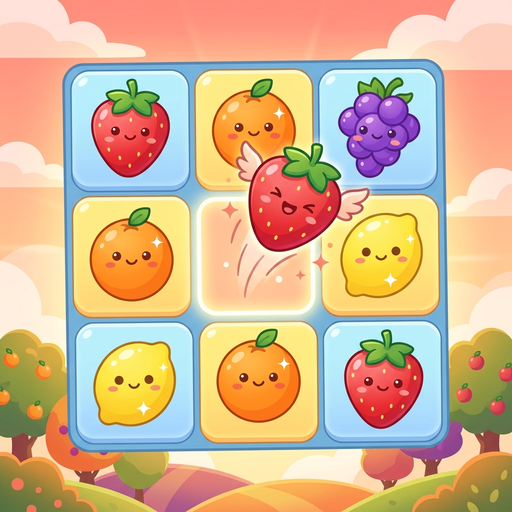
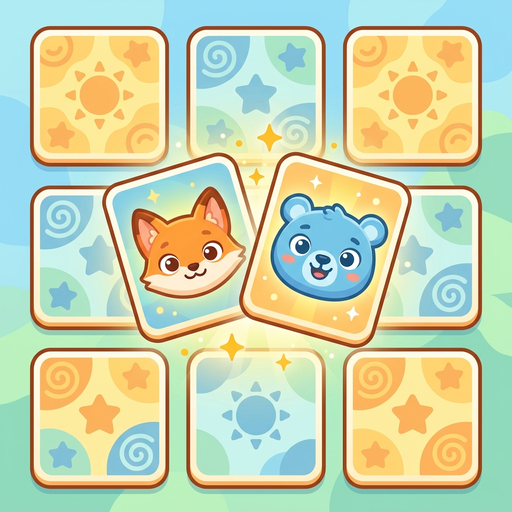
Matching pairs is a working-memory workout — the same mental muscle kids use to hold sight words and math facts in mind.

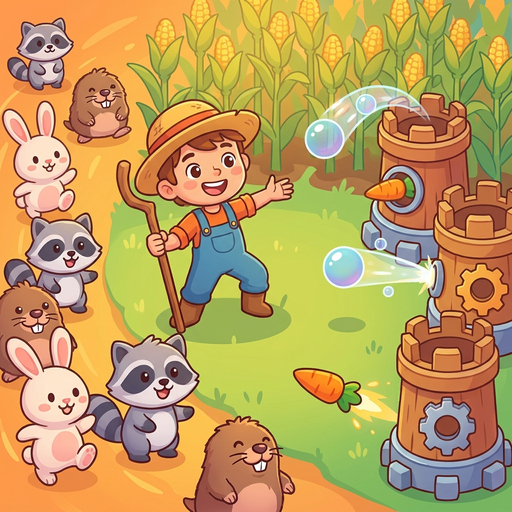
Choosing what to defend first builds strategy and prioritization, with question-earned defenses linking smart thinking to every win.
Want the shield in Voyager Survival or a boost in Voyager Run? Answer a question first. Kids ask for more questions — because questions are how you win.
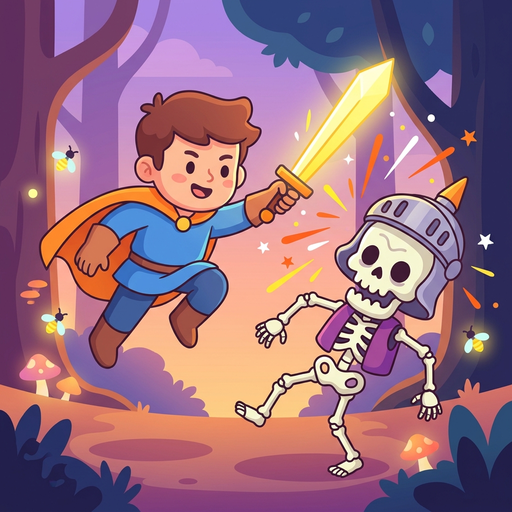
The flagship: each finished story unlocks a boss battle where correct answers about that story are your attacks. Re-reading suddenly becomes strategy.
Questions pull from your child's own stories, vocabulary, and level — so the game is always challenging, never impossible.
Gems are Story Voyagers' story-creation currency — simple enough for kids to understand, predictable enough for parents to budget.
| Creating a story costs… | Gems |
|---|---|
| Beginner story | 💎 1 |
| Intermediate story | 💎 2 |
| Advanced story | 💎 3 |
| Getting gems | Amount |
|---|---|
| Monthly subscription | 💎 8 every month |
| Yearly subscription | 💎 96 up front |
| Gem packs (optional top-ups) | 💎 5 · 15 · 40 |
Gems are only spent to create new personalized stories. Every story you've already made stays in your library — readable, replayable, and battle-able — with no ongoing cost.
If a story ever fails to generate, the gems are automatically refunded. Purchases live behind the parent gate — kids can spend curiosity, not money.
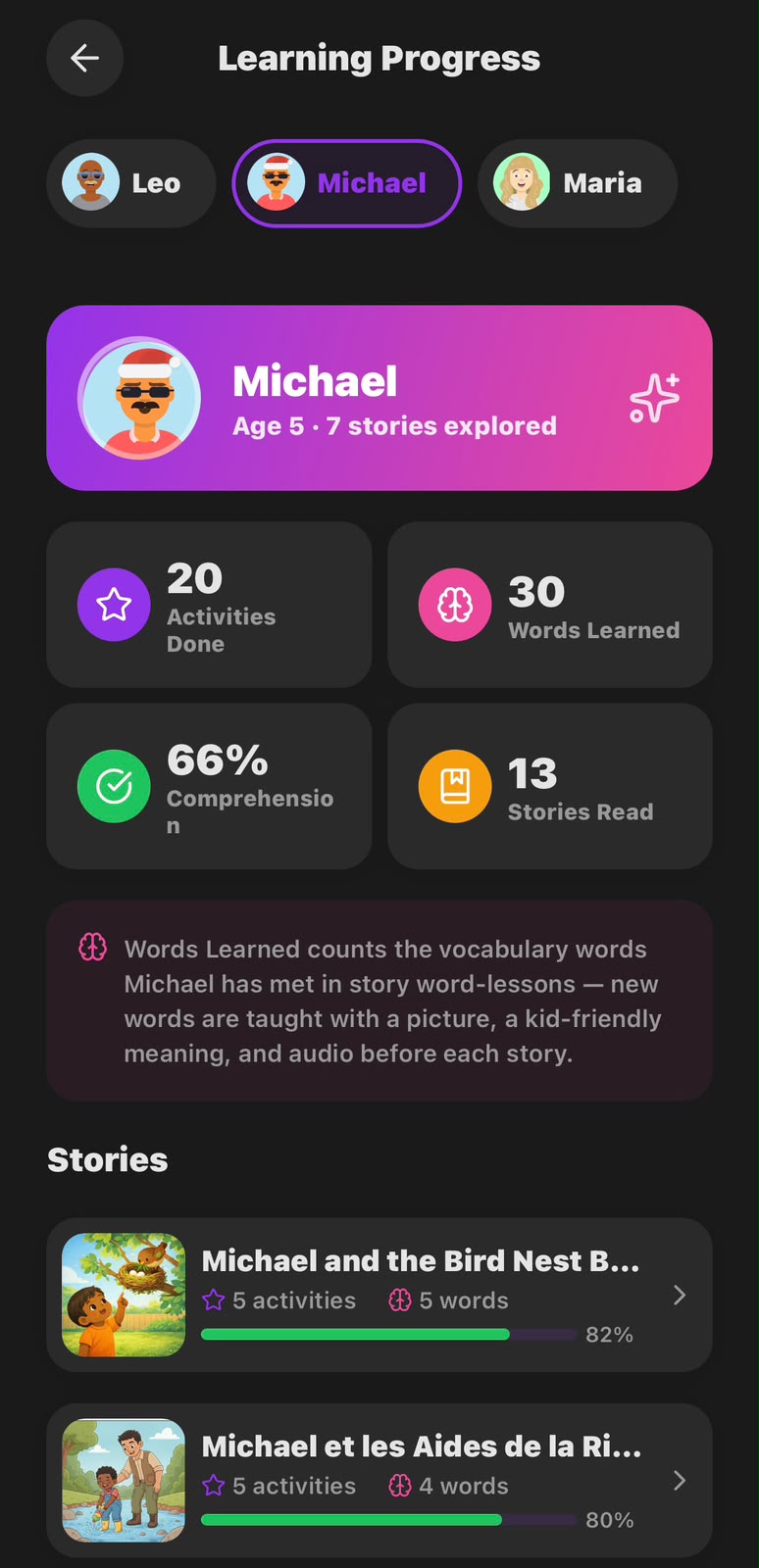
The parent dashboard shows what your child actually did: stories completed, reading time, new vocabulary, quiz scores, and badges — per child, per week.
Parental controls keep you in charge of purchases, languages, narration settings, and content — and the whole experience works offline for travel days.
Join the waitlist and you'll get an email the moment Story Voyagers is ready — plus a chance to join the first beta families.
Join the first voyage